
About
Built from the Show Floor
Event intelligence, built before the doors open.
We help B2B teams decide which events matter, who to meet, and why now.
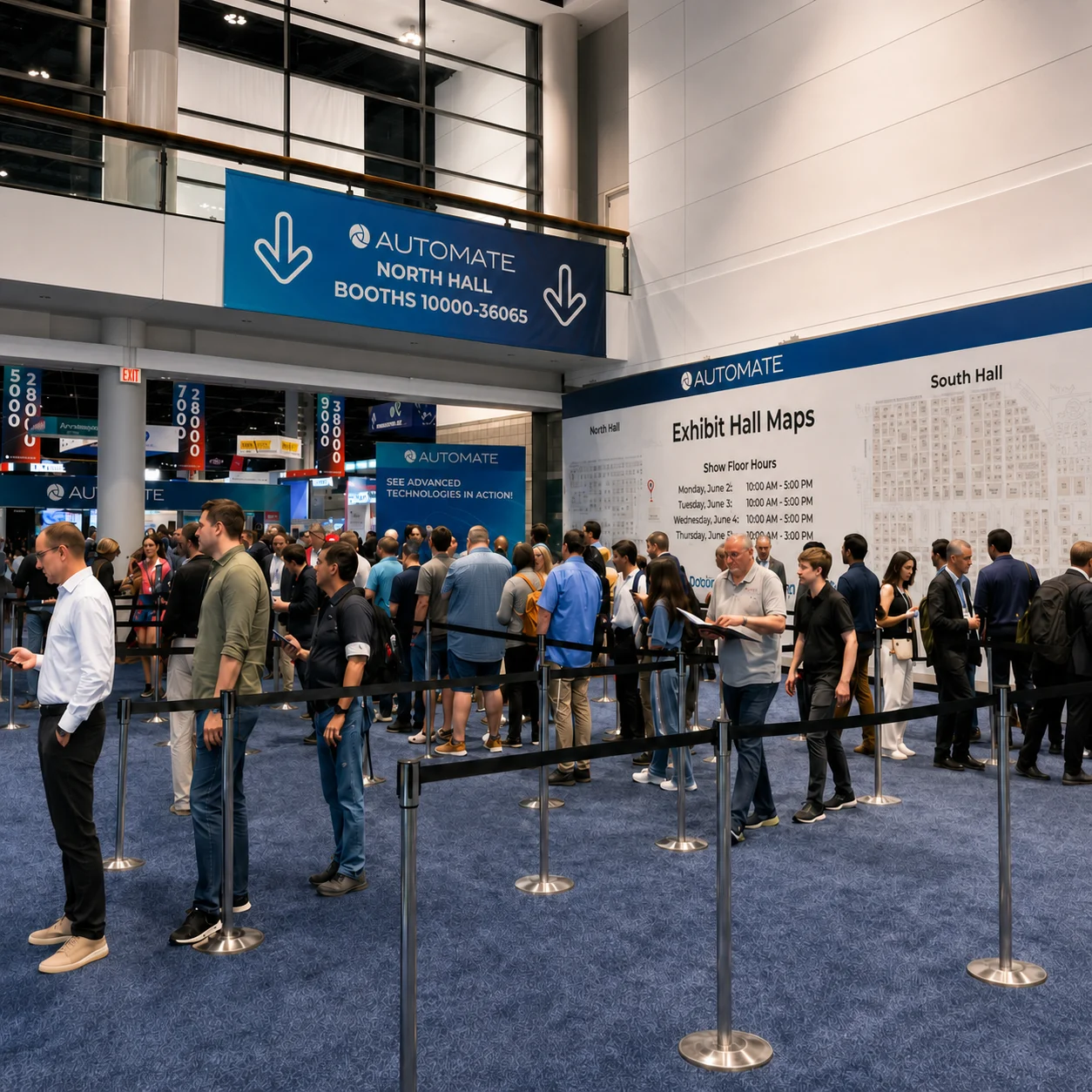
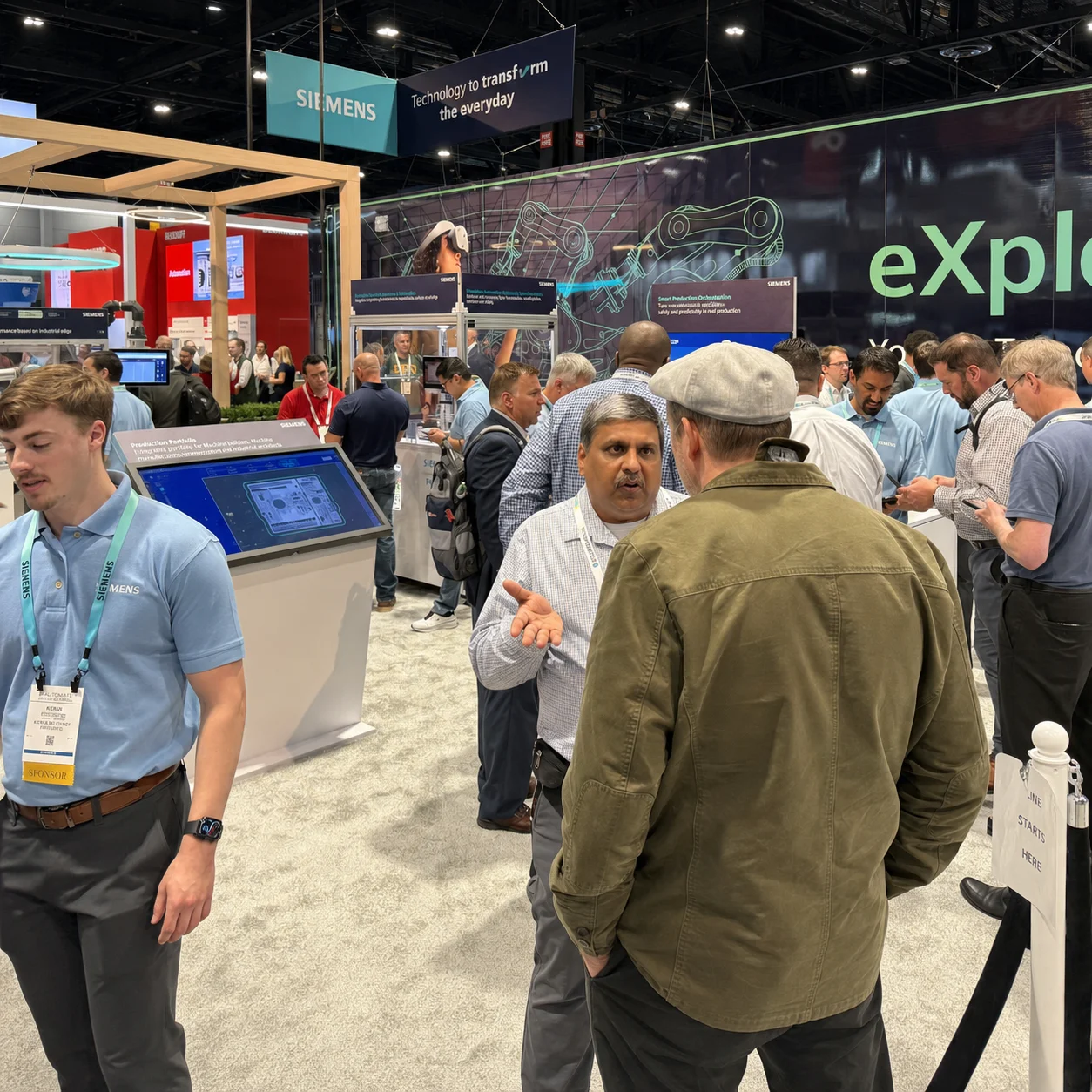
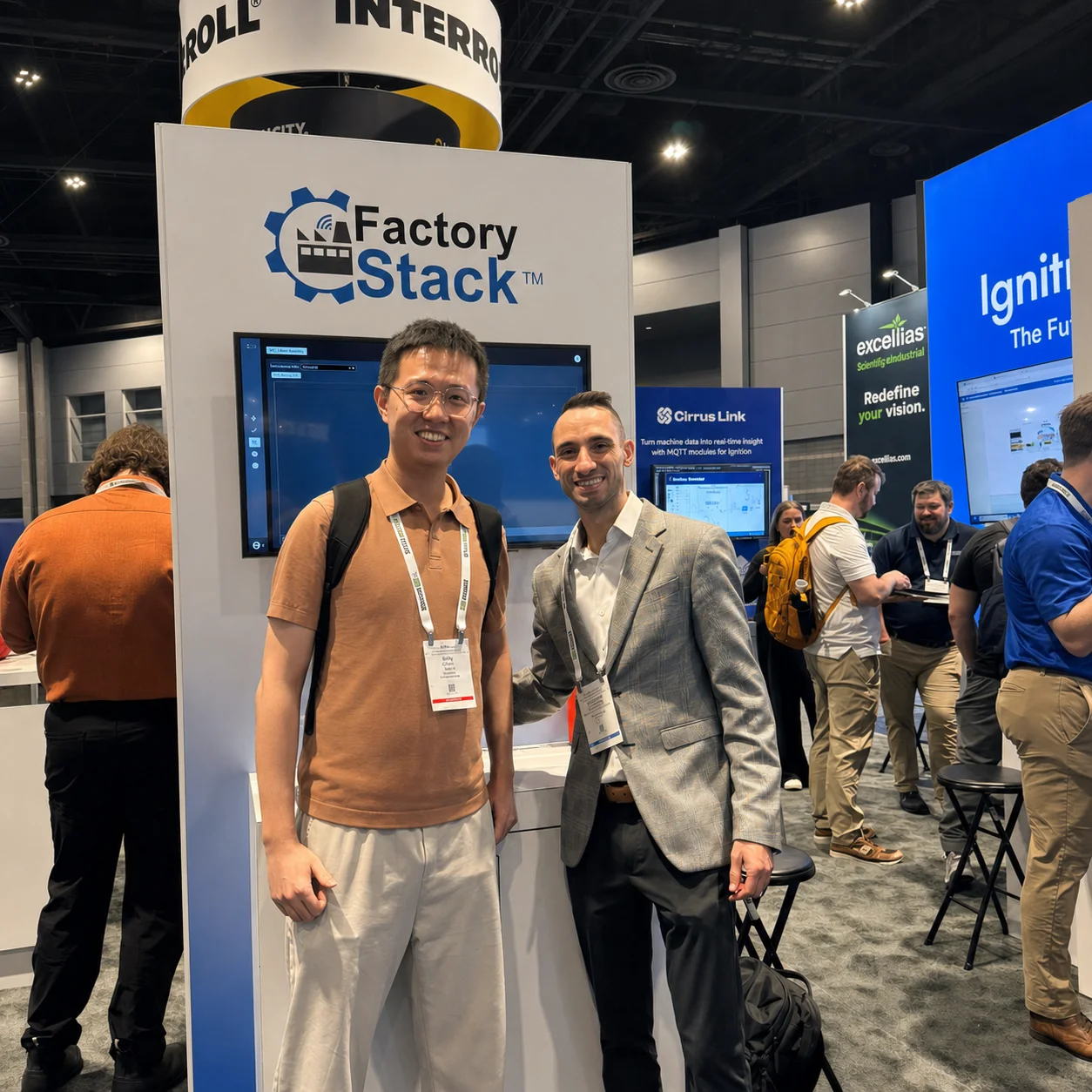
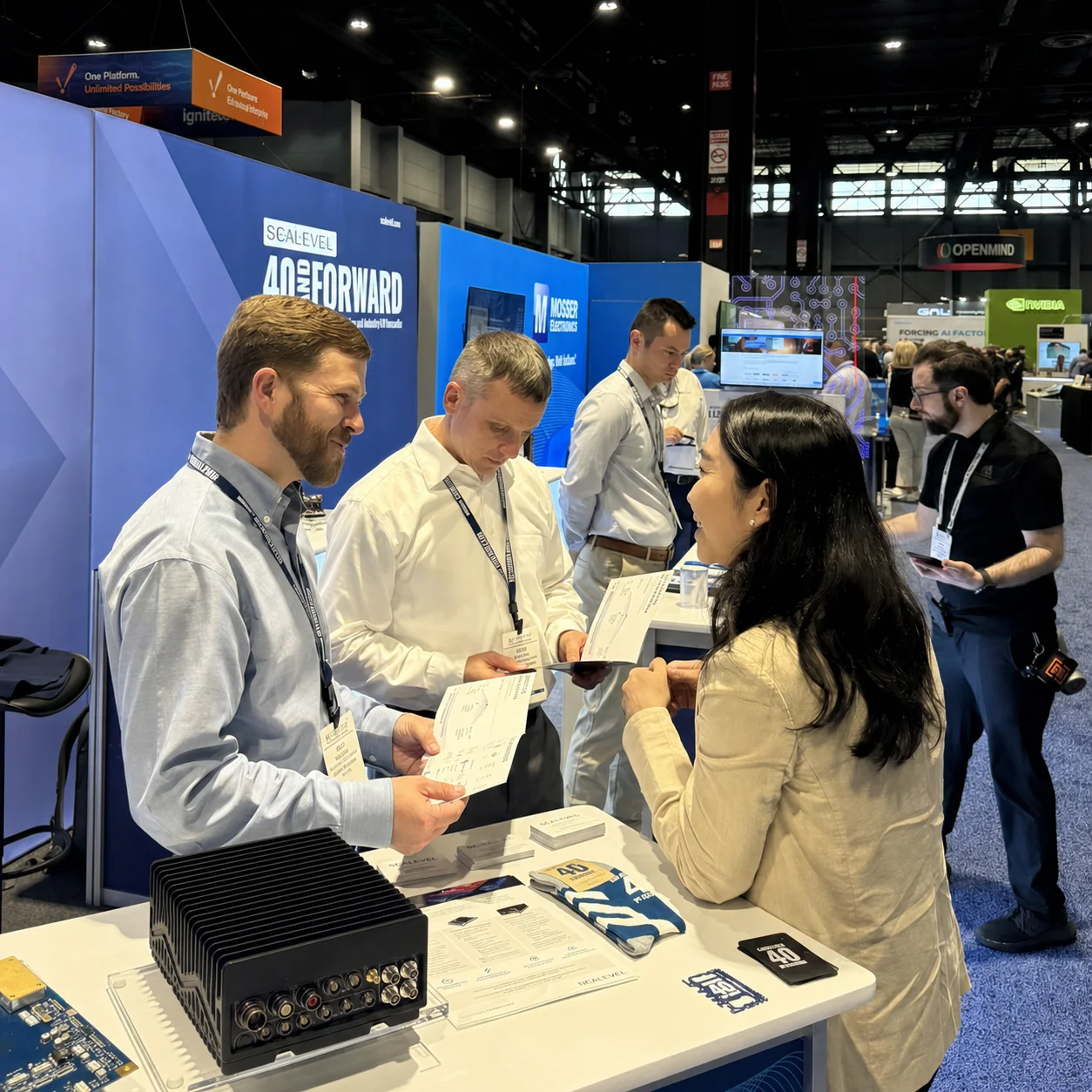
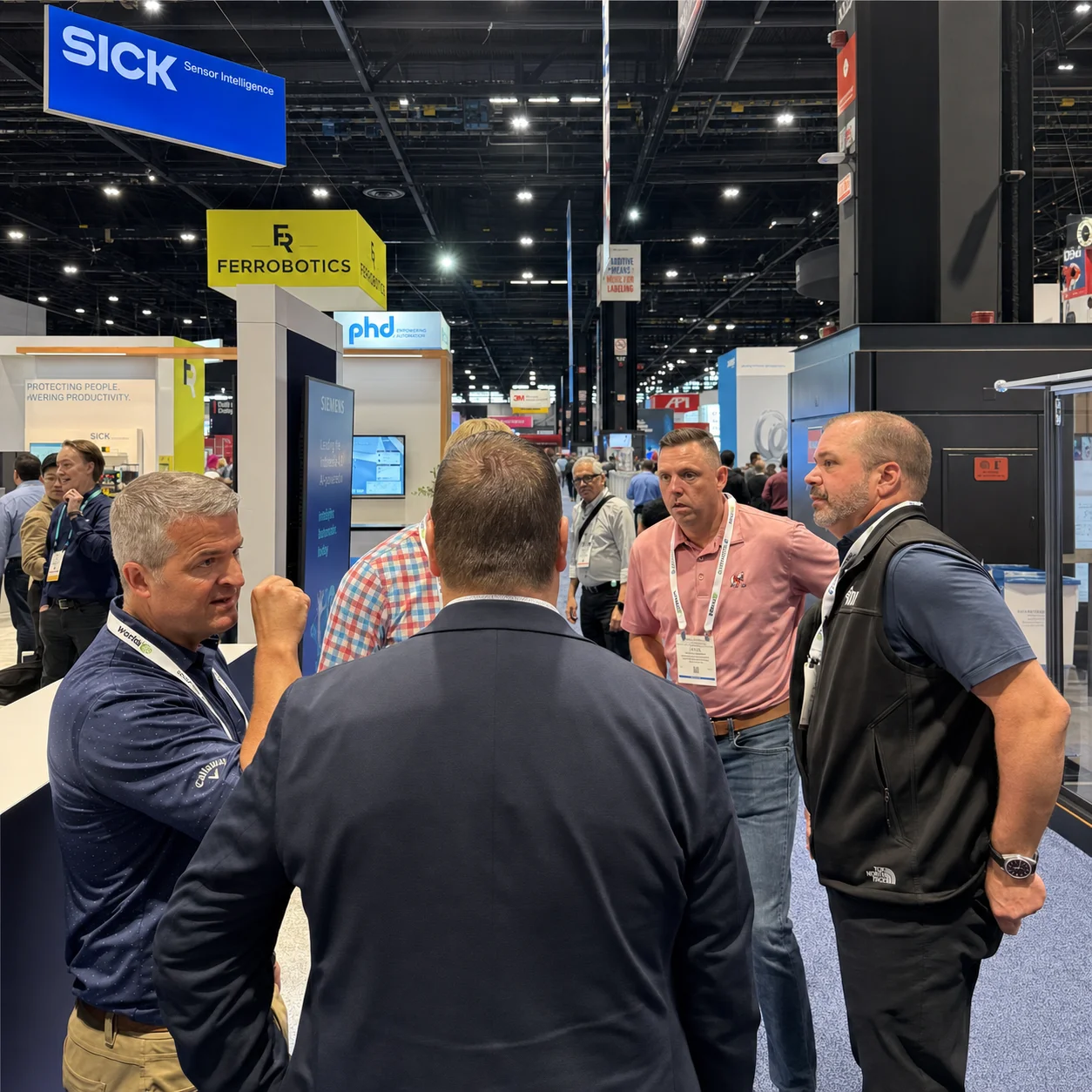
Know who matters before the show.
Our Story
Why Lensmor exists
For a while, we thought this was just our problem. We had spent months preparing for events, only to arrive with a polished booth and no reliable answer to the question that mattered most:
Who should we be talking to?
Then we found the same frustration everywhere. On Reddit, founders and event teams described spending heavily, collecting hundreds of badge scans, and still coming home unsure whether they had met the right people. Across many trade shows, we kept having the same conversation with exhibitors. At one show alone, we spoke with nearly 100 of them.
The details changed. The pattern did not:
Almost everyone had a booth plan. Very few had a meeting plan.
That felt wrong. Trade shows are one of the biggest bets a B2B team makes. The outcome should not depend on who happens to walk past. So we built Lensmor to help teams know which events matter, who is likely to be there, and which conversations to start before the doors open.
A trade show should be where the right relationships move forward—not where the search begins.

Customer voices
The problems behind the event plan
Different teams, different motions—same pressure to know who matters before the calendar, booth, and guest list are locked. Anonymized from customer conversations.
“By the time a company asks for an explainer video, the booth deadline is usually close and three vendors are already in the inbox. We want to find them six to eight weeks earlier—while the story, budget, and event materials are still being shaped.”
“We can fill a room. The hard part is filling it with the right people. For a World Tour or roadshow dinner, I would rather invite 30 accounts with a clear reason to attend than send 500 generic emails and hope.”
“We are running close to twenty events in six months. I need visitor data I can actually trust—not just a long registration export—so we know who gets a demo invite, a speaking slot, a VIP dinner seat, or a follow-up from an open opportunity.”
“We review twenty to twenty-five events a year, and every prospectus says the audience is perfect. Before we commit flights, sponsorship, and three days of the team’s time, we need to compare ICP density, competitor activity, and real signs of who may attend.”
“Our target-account list is already defined. The question is whether those accounts will be at this specific event. If we can confirm that early, we can book booth meetings before calendars fill up and make a much more honest call on event ROI.”
“We had one spreadsheet for event selection, another for outreach, Slack messages for onsite notes, and a CRM report weeks later. We are trying to build one flow from choosing the event to booking meetings, running the day, following up, and learning what actually paid back.”
FAQ
How Lensmor thinks about event intelligence
Why was Lensmor built?

Lensmor was built around a recurring B2B event problem: teams commit substantial budget to a show but often begin account and contact research too late. The objective is to move that work upstream—helping teams decide which events matter, understand the companies and people connected to them, and prepare relevant conversations before calendars and campaign windows close.
How is Lensmor different from a generic B2B contact database?
A contact database begins with companies and people. Lensmor begins with the commercial context created by an event. It connects event selection, official exhibitor and sponsor sources, public signals, available Visitor datasets, company fit, relevant buying roles, contact enrichment, and export workflows. The purpose is not to produce the largest list; it is to help teams decide which accounts deserve attention now.
How does Lensmor distinguish different levels of event evidence?
Lensmor keeps provenance behind each record. Exhibitor, signal, and visitor records can come from different source paths, so they support different levels of confidence. Lensmor does not present every person as a confirmed registrant, and outreach language should reflect the evidence actually available.
How does Lensmor approach data quality, privacy, and compliance?
Lensmor combines public event sources with information supplied by event organizers and data partners when available, alongside company matching, entity resolution, and third-party contact enrichment. Coverage and certainty are not overstated: the product shows available source context and users can qualify records before activation. Customers remain responsible for lawful targeting, messaging, opt-out handling, and the channel rules that apply to their jurisdictions and audiences.
Where is Lensmor based, and how does the team work with customers?
Lensmor is registered in Singapore and operated by a distributed team across Asia. Product, data, and customer work remain closely connected: the same organization that develops the platform also reviews difficult event sources, studies customer workflows, and improves the evidence model. That proximity helps Lensmor respond quickly while maintaining clear boundaries around coverage and certainty.
Start free. No credit card.

The Operating System for Event-Led Growth
Scan to chat with Lensmor via WhatsApp


© 2026 Lensmor. All rights reserved.